Vintage Dusty Font for Heritage Craft Projects
As a small business owner constantly searching for typography that tells a story, I found that Vintage Dusty is a typeface that immediately elevates handmade products with its distinct character. This specific font captures the essence of nostalgia and craftsmanship, making it an invaluable asset for creators who need their physical goods to stand out in a saturated market. When you are designing labels, signs, or digital downloads, the right typography does more than fill space; it communicates value and history before the customer even touches the product. Vintage Dusty provides that instant emotional connection through its unique visual texture and structural integrity.
Vintage Dusty Slab Serif for Product Labels and Packaging
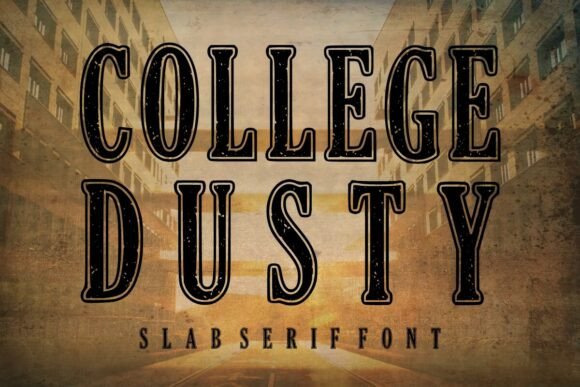
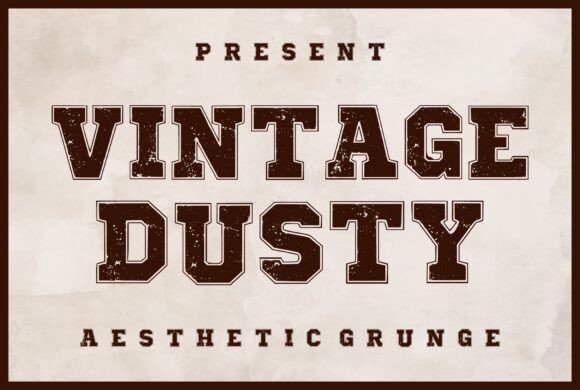
When designing physical packaging, Vintage Dusty serves as a powerful slab serif option that maintains legibility while adding essential tactile charm. The elongated, towering structure of this typeface allows for vertical efficiency on narrow candle jars, spice tins, and apothecary bottles where horizontal space is often limited. For fellow crafters creating product lines, this verticality means you can use larger, more impactful lettering without overwhelming the label area. The subtle "dusty" texture embedded in the glyphs suggests years of history and hard work, which perfectly aligns with heritage-inspired branding for soaps, beard oils, artisanal foods, and leather goods.
I have found that this texture prints beautifully on uncoated papers and kraft materials, as the slight distress in the font mimics natural ink absorption rather than looking like a digital artifact. Unlike clean, modern sans serif fonts that can sometimes feel sterile on handmade items, Vintage Dusty adds warmth and perceived age to new products. It signals to the buyer that care and tradition went into the creation process. Whether you are printing directly onto glass or using adhesive vinyl stickers, the sturdy serifs provide enough anchor points for crisp edges, ensuring your branding looks professional and intentional rather than DIY.
Using Vintage Dusty Fonts for Wedding Stationery and Invitations
For stationery designers and Etsy sellers specializing in weddings, Vintage Dusty offers a sophisticated alternative to overused scripts for display text and headers. While many couples love the romance of calligraphy, they often struggle with readability on welcome signs and seating charts; this font bridges that gap by providing old-world elegance with clear, block-letter legibility. The towering structure creates a stunning visual rhythm when used for names, dates, and venue locations on acrylic or wood signage. Because the font carries a built-in vintage patina, it reduces the need for additional graphic overlays or aging effects in your design software, streamlining your production workflow.
This typeface is particularly effective for heritage-inspired wedding themes, such as rustic barn celebrations, library-themed events, or industrial loft receptions. When paired with a delicate handwritten font for body copy, Vintage Dusty acts as a strong structural anchor that guides the eye without competing for attention. I recommend using it for the primary information hierarchy—the couple’s names and the event date—while reserving lighter weights or complementary scripts for logistical details. This contrast ensures that guests can read essential information from a distance while still feeling the curated, nostalgic atmosphere of the event. For printable invitation suites sold as digital downloads, this versatility makes the template appealing to a wider range of buyers looking for timeless yet readable typography.
Vintage Dusty Typography for Cricut and Silhouette Cutting Machines
Crafters using cutting machines will appreciate that Vintage Dusty is designed with a robust structure that survives the weeding and transfer process better than delicate distressed fonts. The "dusty" texture here is subtle enough that it does not create fragile micro-details that tear during application on shirts, tote bags, or mugs. Many vintage-style fonts fail in production because their grunge effects result in disconnected islands of vinyl that fall apart; however, this typeface maintains solid connectivity within its letters despite the textured aesthetic. This makes it a reliable choice for heat transfer vinyl (HTV) projects where durability and washability are paramount for customer satisfaction.
The elongated proportions also offer practical advantages for apparel design, allowing you to fit longer phrases across the chest or down the sleeve without reducing the overall point size. When creating farmhouse-style wooden signs or slate coasters, the bold slab serifs cut cleanly and adhere well to textured surfaces. For sellers offering custom personalized gifts, this reliability translates to fewer wasted materials and less rework. Always test cut a small sample first to determine the optimal blade depth for the texture, but generally, the sturdy geometry of Vintage Dusty makes it far more forgiving than intricate display fonts. It strikes a rare balance between artistic expression and manufacturing practicality that is essential for scaling a handmade business.
Pairing Vintage Dusty with Modern Fonts for Brand Identity
Building a cohesive brand identity requires balancing the historical weight of Vintage Dusty with cleaner, contemporary typefaces to ensure modern relevance and readability. As a display font, it shines brightest when supported by a minimalist sans serif or a simple geometric serif for secondary information like website URLs, ingredient lists, or pricing. This pairing prevents the design from feeling like a costume piece and instead positions it as a curated lifestyle brand. For example, on a coffee bag label, use Vintage Dusty for the roast name to evoke tradition, but utilize a clean sans serif for the tasting notes and brewing instructions to guarantee clarity and compliance with labeling standards.
In social media graphics and digital marketing assets, this combination helps maintain engagement without sacrificing style. The textured quality of Vintage Dusty stops the scroll, while the supporting font delivers the call-to-action efficiently. When designing logo systems, consider using Vintage Dusty for the primary wordmark and a simpler companion font for the tagline or descriptor. This hierarchy establishes a visual voice that feels established and trustworthy. Remember to check the specific licensing terms included with your purchase to ensure you have commercial rights for client work, merchandise, and digital templates. Understanding these usage rights protects your business and allows you to confidently market your designs knowing your typography investment is secure and legally compliant for all your creative ventures.